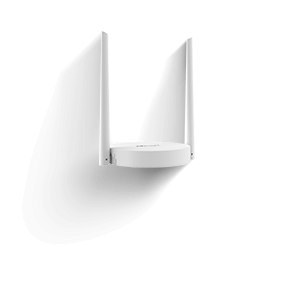
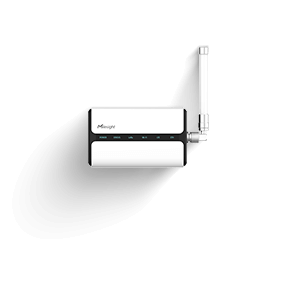
EG71
Building IoT Gateway

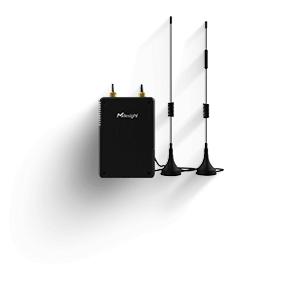
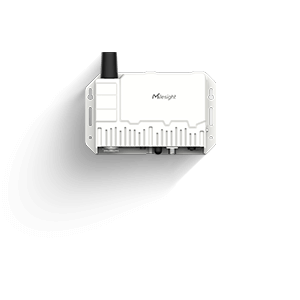
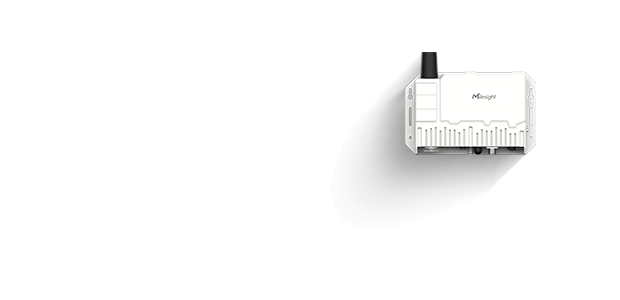
EG71 is an intelligent edge IoT gateway that unifies wired and wireless connectivity in a single device, simplifying data aggregation, protocol conversion, and local control for smart building integration across both new construction and retrofit projects.

Talk to an Expert

Watch Videos

  • FEATURES
  • MODELS
  • ACCESSORIES
  • DOWNLOAD

The All-in-One Hub for Modern Building Integration

eg71 all one hub modern building integration

Unified Connectivity

Wired and wireless devices
integrated in one gateway

Multi-Protocol Support

Supports mainstream industrial
and building protocols

Edge Intelligence

Local data processing, protocol
conversion, and automation logic.

Rapid Deployment

Reduced cabling and simplified installation
for new and retrofit projects

eg71 building iot gateway interface
eg71 multiple protocols support
eg71 reliable data backhaul

Streamline Your BMS Deployment and Retrofit:
Faster, Smarter, Cost-Effective

Deploying or retrofitting a modern Building Management System (BMS) is often complex and costly. The EG71 enables seamless integration of wired and wireless devices, reducing cabling, accelerating deployment, and offering long-term flexibility. It's an ideal choice for both new and existing commercial buildings, campuses, hotels, and industrial facilities.

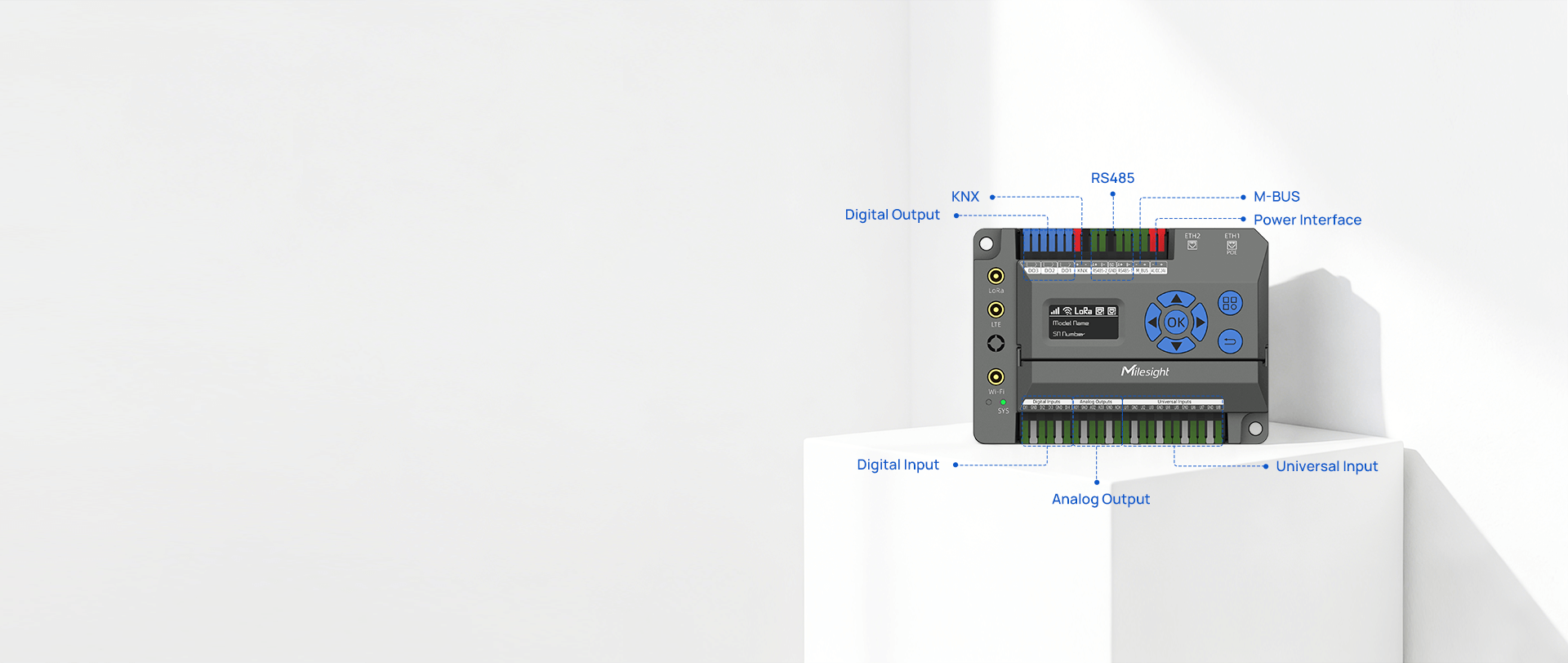
  • Rich Interfaces for Direct Connect and Control

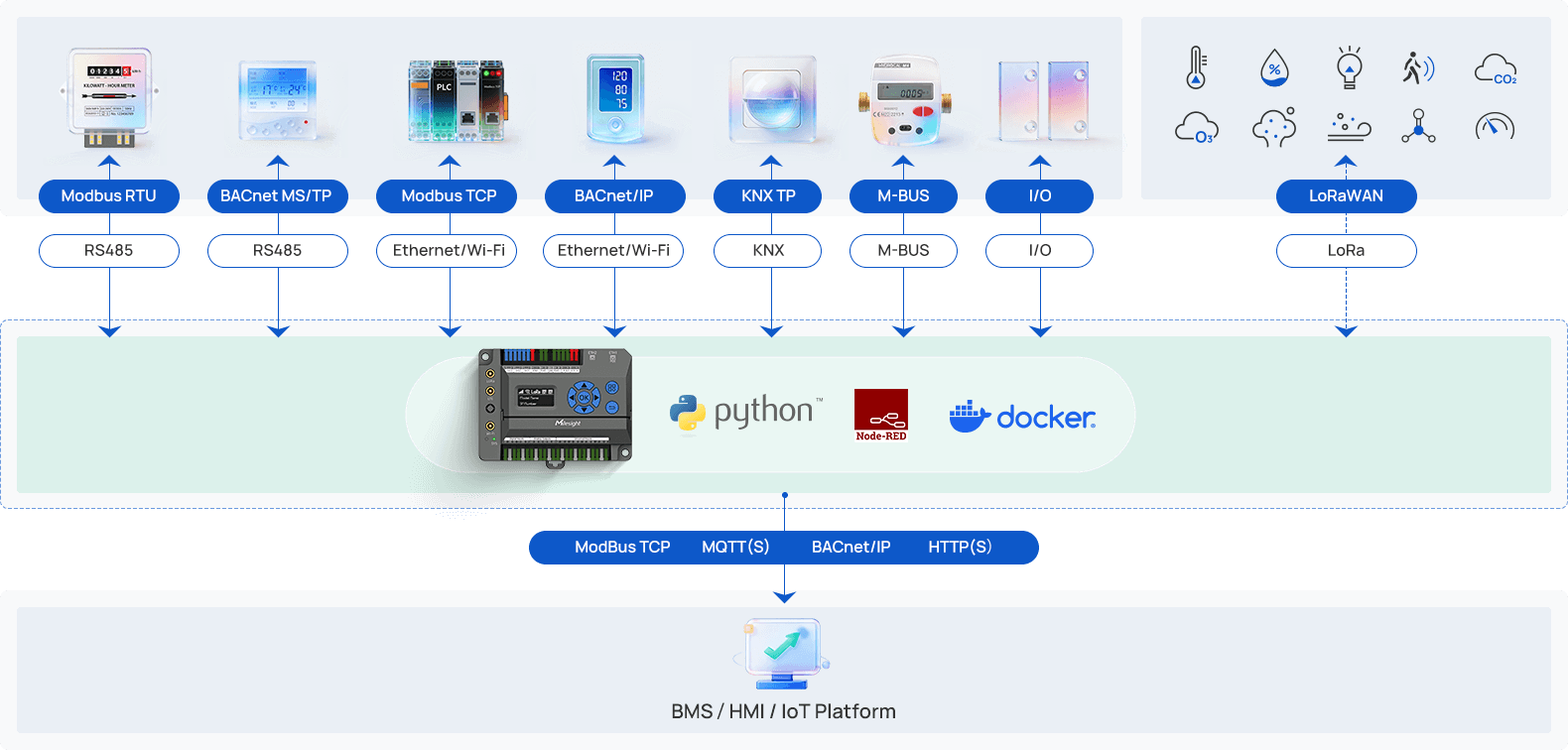
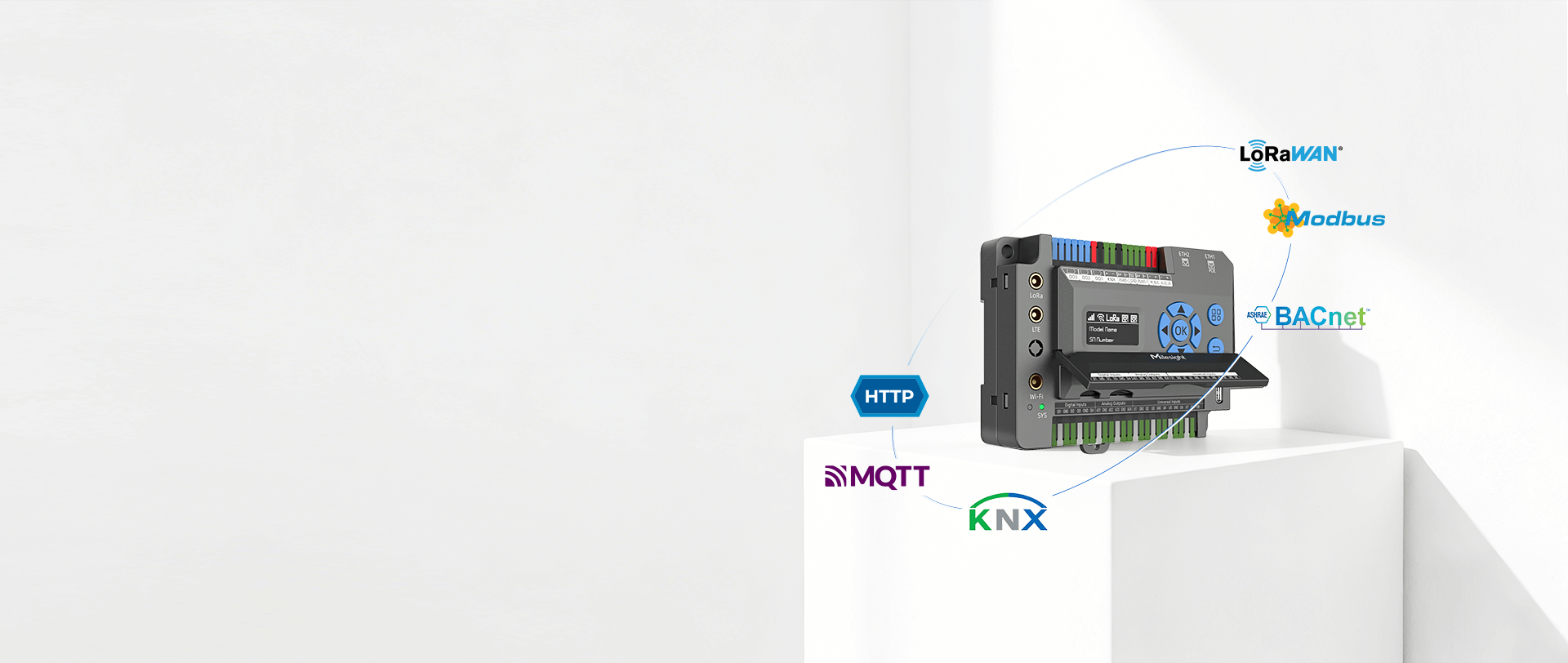
  • One Gateway. Bridging Every Protocol

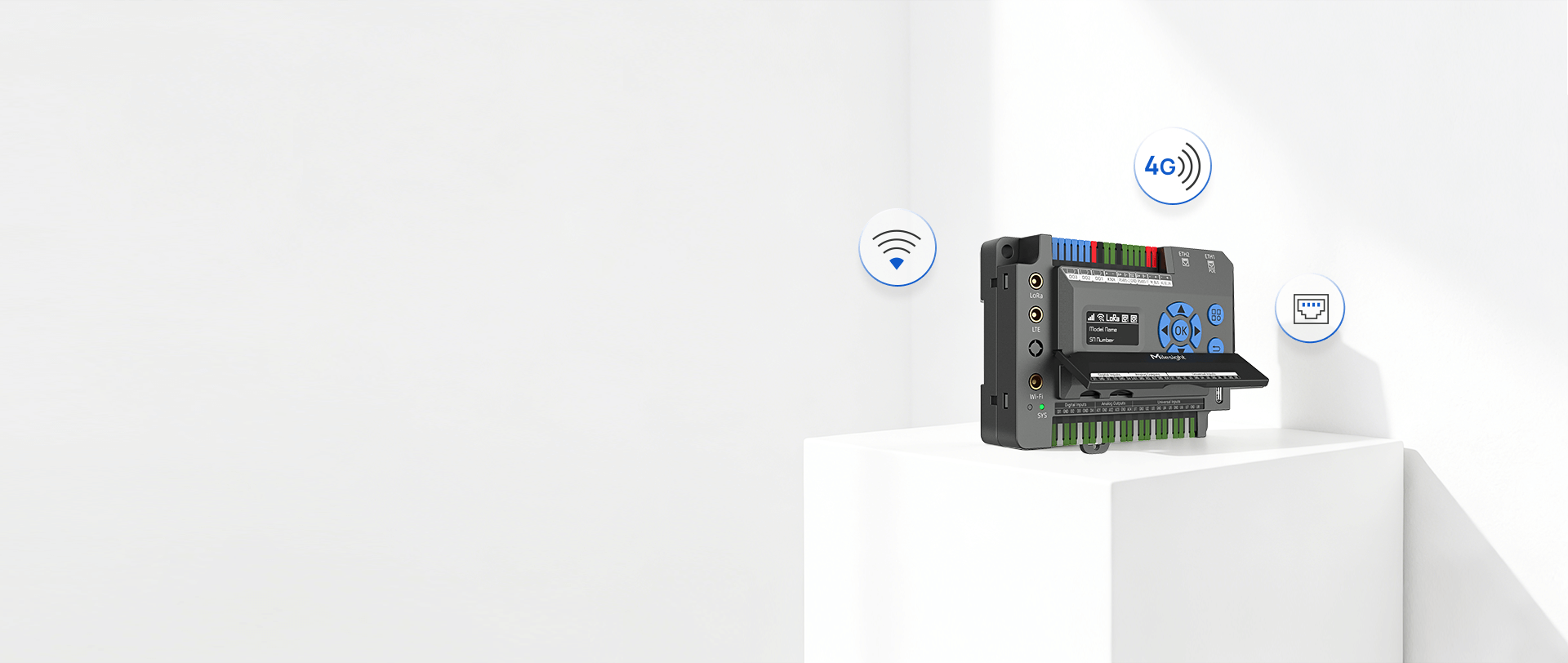
  • Reliable Data Backhaul, Always

Designed to Integrate with Existing Building Management Systems

EG71 integrates seamlessly with mainstream Building Management Systems, allowing system integrators to connect new and existing devices without replacing current BMS architectures. By converting field data into standard building protocols, EG71 reduces integration complexity while maintaining full interoperability and system scalability.

siemens ag logo
johnson control
easyio neo
ecostruxure ebo
fin framework
niagara 4
trane tracer
siemens ag logo
johnson control
easyio neo
ecostruxure ebo
fin framework
niagara 4
trane tracer

Fast Integration

quick setup with existing BMS systems

Interoperability

compatibility via standard building protocols

Flexible Expansion

ideal for retrofit and system upgrades

Edge Intelligence Designed for the Field 

Edge intelligence processes data and executes control locally—cutting latency, lowering operational risk, and reducing cloud dependence. Even when networks are unstable, on-site intelligence keeps HVAC and energy systems running reliably.

background image

High-Performance Edge Platform

EG71, powered by an industrial-grade quad-core processor with 2GB memory and 32GB storage, supports up to 2K end devices and 20K data points, ensuring stable, continuous operations while processing data on site.

background image

Ready for Secondary Development

EG71 supports Python, Node-RED and Docker, enabling flexible secondary development for customized building logic, data processing,
and system integration.

python logo node red docker logo blue
python white node red docker logo white
background image

Local Automation &
Independent Control

Control logic runs locally on EG71, reducing latency and cloud dependency while ensuring stable operation during network interruptions. With multiple built-in I/O interfaces, EG71 can directly control field devices and actuators at the edge.

Built for Easy Deployment & Maintenance

Zero-Touch Provisioning & Remote Management

EG71 supports automatic configuration, remote management, firmware upgrades, and LoRaWAN® network deployment via the Milesight Development Platform

Instant Sensor Pairing via NFC

EG71's NFC allows rapid pairing with Milesight sensors, speeding up device addition.

Tool-Free, Faster Installation

EG71's plug-in terminal design cuts on-site wiring time by up to 70% compared to traditional screw-fixed installations, boosting efficiency and reducing human error.

OLED & Physical Buttons for Direct Control and Visibility

The built-in OLED display and physical buttons provide real-time status visibility and basic on-device diagnostics, allowing field engineers to perform checks and troubleshooting without a laptop.

eg71 status
eg71 data acquisition device
eg71 data acquisition device 2
eg71 data acquisition gateway fleet
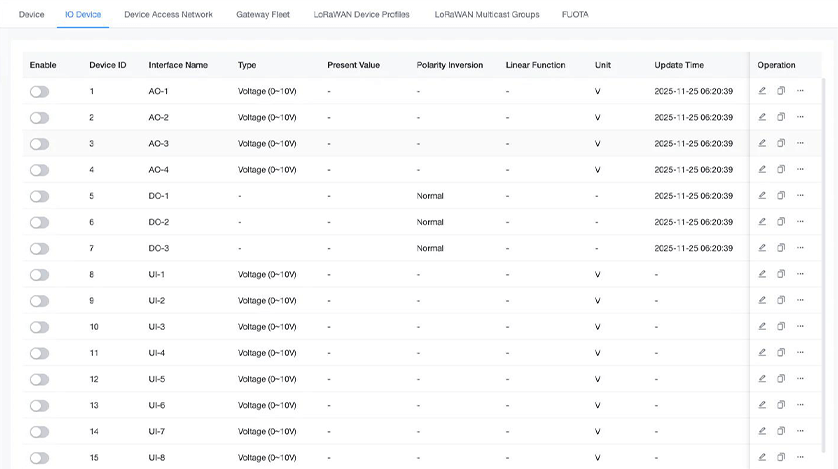
eg71 data acquisition io
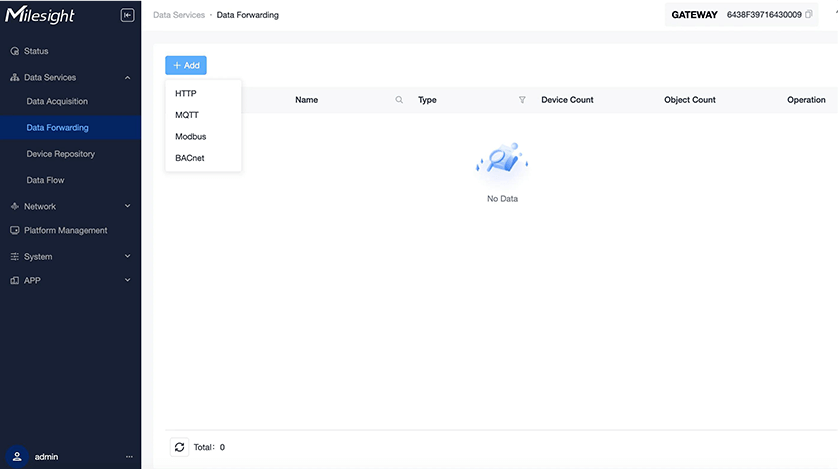
eg71 data forwarding

Redesigned Web GUI for Faster Management

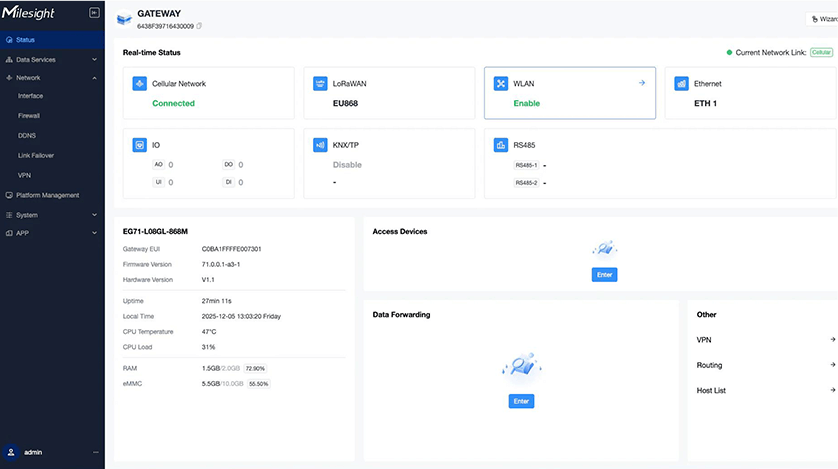
Status overview

Offers a clear, at-a-glance view of system status, network health, connectivity, and gateway information, enabling quick gateway verification in live sites or existing BMS environments, saving time and improving efficiency.

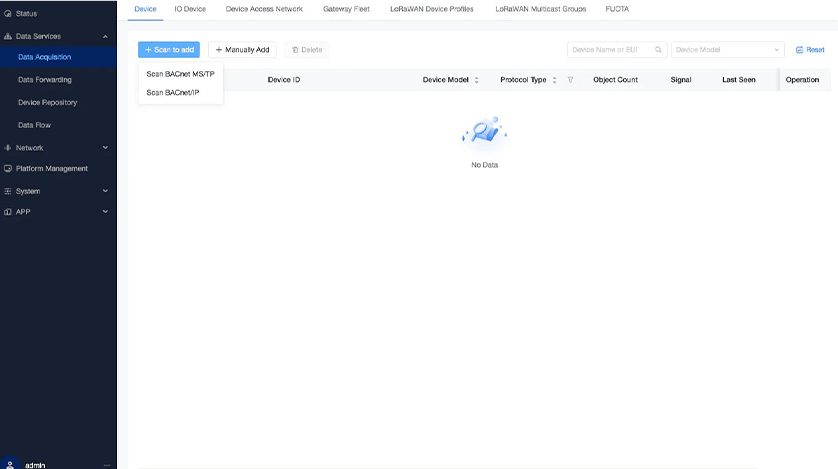
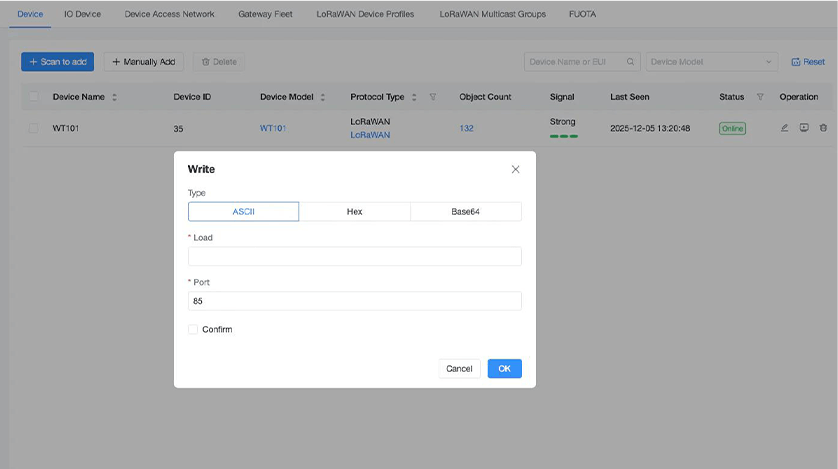
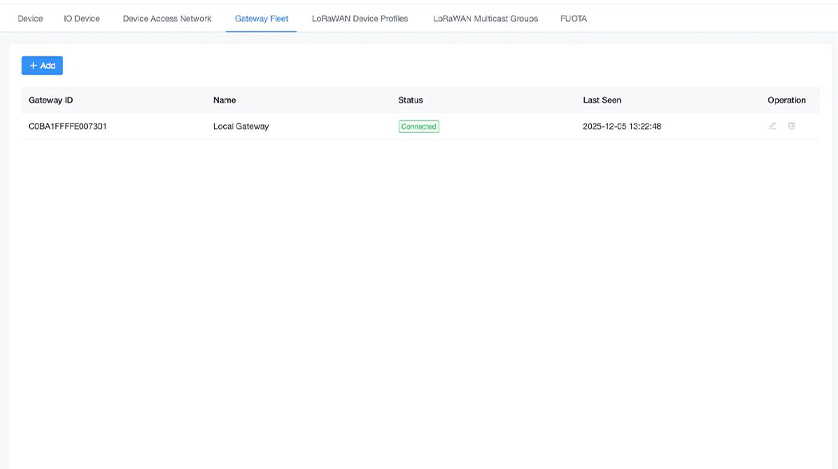
Data Acquisition

Enables device declaration, protocol selection, model configuration (predefined or custom), object mapping, and automatic discovery such as BACnet scanning, supporting structured onboarding of field devices.

Data Forwarding

Bridges field data to BACnet, Modbus, HTTP, or MQTT endpoints, simplifying integration with supervisory and third-party platforms.

FAQ

Q: What is the biggest value of EG71 for building integrators?

EG71's biggest value for building integrators is reducing both hardware cost and system integration complexity by replacing multiple traditional components with
one unified building IoT gateway.

It helps integrators simplify projects through:

  • Wired protocol access: Supports mainstream building protocols such as BACnet, Modbus, and KNX to connect various wired devices directly.
  • Built-in I/O interfaces: Connects digital and analog signals directly, reducing the need for extra I/O expansion modules.
  • Wireless device integration: Built-in LoRaWAN® gateway enables unified management of wireless sensors without deploying a separate LoRaWAN® gateway.
  • Flexible protocol conversion: Converts data across multiple protocols, reducing the need for additional protocol converters.
  • Local logic and control: Supports edge processing for local automation and alarm logic, enabling faster and more reliable responses.
  • Flexible data forwarding: Sends data to BMS, SCADA, cloud platforms, or custom applications via MQTT, HTTP, BACnet, Modbus, and other methods.

For system integrators, EG71 means fewer on-site devices, simpler wiring and commissioning, lower integration costs, and greater flexibility for upstream system integration.

Q: Which building protocols does EG71 support?

EG71 supports multiple building and IoT communication protocols across wired connectivity, wireless communication, and northbound data forwarding:

  • Wired building protocols: BACnet/IP, BACnet MS/TP, Modbus TCP, Modbus RTU, KNX TP, and M-Bus*
  • Wireless connectivity: LoRaWAN® with a built-in network server for direct LoRa device management
  • Northbound data forwarding: MQTT and HTTP for active data pushing, as well as BACnet/IP and Modbus TCP for BMS or SCADA polling and integration

This allows system integrators to connect wired building equipment and wireless sensors on a single gateway, process data locally, and forward selected data to BMS, SCADA systems, cloud platforms, or custom applications as needed.

Q: How is EG71 different from a traditional protocol converter or standard LoRaWAN® gateway?

Traditional protocol converters typically focus on translating data between specific protocols, while standard LoRaWAN® gateways mainly connect LoRaWAN® sensors and devices to a network server or cloud platform. In contrast, EG71 serves as a versatile building IoT gateway and multi-protocol gateway, designed for seamless BMS integration and smart building projects.

EG71 combines LoRaWAN® connectivity, wired building protocols, I/O interfaces, local data processing, remote management, and developer tools in a single edge gateway. This allows system integrators to connect diverse building systems, process data locally, and forward selected data to a BMS, cloud platform, or custom application with fewer integration layers, making it far more capable than traditional protocol converters or standard gateways.

Q: Can EG71 replace Niagara or JACE controllers?

EG71 and Niagara/JACE serve different roles, so whether EG71 can replace them depends on the project requirements.

  • Where EG71 can be a good alternative: For small to mid-sized projects focused on protocol conversion, data aggregation, local logic, and edge integration, EG71 can help reduce cost and simplify deployment.
  • Where EG71 is not a full replacement: For large-scale BMS projects that rely on Niagara's native controller libraries, complex supervisory graphics, or established JACE workflows, EG71 cannot fully cover those functions.
  • Recommended positioning: In many projects, EG71 is better used as an edge integration gateway. It connects field devices, processes data locally, and forwards data to Niagara, BMS, SCADA, cloud platforms, or custom applications.

Q: Is there an internal API to read all EG71 data points?

EG71 currently does not provide a standard native RESTful API for reading all data points.

For most integrations, EG71 data can be accessed through supported forwarding methods:

  • MQTT / HTTP: For active data forwarding
  • BACnet/IP / Modbus TCP: For BMS or SCADA systems to poll and read data
  • Node-RED: Can be used for I/O control logic

If a project requires direct API-level access, please contact Milesight to confirm the latest developer interface and roadmap status.

Q: What certifications or security documentation are available for EG71?

EG71 has obtained CE, CE RED, and FCC certifications.

Please note that BTL certification and KNX certification have not been obtained yet. For security testing documents or project-specific cybersecurity requirements, please contact Milesight for the latest available materials.

Q: Can EG71 be used to build a lightweight mini BMS or custom dashboard?

Yes. EG71 can serve as the edge layer for a lightweight mini BMS or custom dashboard.

It can collect data from wired and LoRaWAN® devices, process local logic through Node-RED / Python, and forward data to an HMI, custom dashboard, or upper-level platform via MQTT / HTTP. EG71 also supports local application deployment through Docker.

However, EG71 itself does not include a built-in visualization front end. Complete visualization, dashboard display, and front-end management should be implemented through an upper-level platform, HMI, cloud dashboard, or customer-developed application.

Q: Can EG71 be used for HVAC integration and control?

Yes. EG71 can support HVAC integration when the HVAC equipment provides compatible communication interfaces.

EG71 can connect HVAC-related devices through:

  • BACnet: Commonly used in building automation systems
  • Modbus: Often used for devices such as inverters, heat pumps, and controllers
  • I/O signals: Such as dry contacts and analog signals
  • MQTT / HTTP: For compatible smart HVAC devices or upper-level system integration

With these interfaces, EG71 can collect HVAC data such as temperature, humidity, and operating status, execute local logic based on schedules or sensor values, and forward selected data to a BMS, HMI, cloud platform, or custom application.

For VRV/VRF or split AC systems, compatibility must be confirmed in advance, as these systems often use vendor-specific protocols. Before deployment, please confirm whether the target HVAC equipment supports BACnet, Modbus, I/O control, or a compatible open API.

Specifications

Hardware System
CPUQuad-core 1.5 GHz, 64-bit ARM Cortex-A53
Memory2GB DDR4 RAM
Flash32 GB eMMC
Extendable Storage1 × Micro SD Slot
LoRaWAN®
Antenna1 × 50 Ω SMB - Female External Connecto
Channel8 (Half-duplex)
Frequency BandCN470/IN865/EU868/RU864/US915/AU915/KR920/AS923-1&2&3&4
Sensitivity-140dBm Sensitivity @292bps
Tx Power27dBm Max
ProtocolV1.0 Class A/Class B/Class C and V1.0.2 Class A/Class B/Class C
LBTSupport
Number of DevicesAround 2000 Devices (based on 10 min uplink interval)
Advanced FeaturesNoise Analyzer, Gateway Fleet, Multicast, FUOTA
Ethernet Interface
Port2 × RJ45 Ports (WAN/LAN Software Switchable)
Physical Layer10/100/1000 Base-T (IEEE 802.3)
Data Rate10/100/1000 Mbps (Auto-Sensing
InterfaceAuto MDI/MDIX
ModeFull/Half Duplex (Auto-Sensing)
Ethernet Isolation1.5 kV RMS
PoE1 × 802.3 af PoE PD on ETH1 Port
Wi-Fi Interface
Antenna1 × 50 Ω SMB - Female External Connector
StandardsIEEE 802.11b/g/n, 2.4 GHz
Tx Power802.11b: 18 dBm +/-2.0 dBm (11 Mbps)
802.11g: 18 dBm +/-2.0 dBm (6 Mbps)
802.11g: 17 dBm +/-2.0 dBm (54 Mbps)
802.11n@2.4 GHz: 17 dBm +/-2.0 dBm (MCS0_HT20)
802.11n@2.4 GHz: 16 dBm +/-2.0 dBm (MCS7_HT20)
802.11n@2.4 GHz: 17 dBm +/-2.0 dBm (MCS0_HT40)
802.11n@2.4 GHz: 16 dBm +/-2.0 dBm (MCS7_HT40)
ModeAP or Client mode
SecurityAP: WPA-PSK/WPA2-PSK authentication, WEP/TKIP/AES encryption
Client: WPA-PSK/WPA2-PSK/WPA-Enterprise/WPA2-Enterprise
authentication, WEP/TKIP/AES encryption
Cellular Interface (Optional)
Network4G LTE(CAT1)/GSM
Tx PowerClass 3 (23 dBm ±2 dB)
Antenna1 × 50 Ω SMB - Female External Connector
Cellular BandL08GL (Global except North America):
LTE-FDD: B1/2/3/4/5/7/8/12/13/17/18/19/20/25/26/28/66
LTE-TDD: B34/38/39/40/41;
GSM: B2/3/5/8
L09NA (North America):
LTE-FDD: B2/4/5/12/13/66
SIM Slot1 (Nano SIM-4FF)
Data Interfaces
RS485
Numbers2 × RS485
Baud Rate/bps1200/2400/4800/9600/19200/38400/57600/115200 (Software
Switchable)
Terminal Resistor1 × 120 Ω Terminal Resistor (Software Switchable)
Number of DevicesUp to 128 Devices per RS485, total 256 Devices
KNX
Numbers1 × KNX/TP1
Bus Voltage21-30 V DC, via the KNX bus
Baud Rate9600
Number of DevicesUp to 63 Devices
M-BUS (Under Development)
Numbers1 × M-BUS
Voltage24-42V
Maximum Current Load10mA
Baud Rate/bps300/600/1200/2400/4800/9600 (Software Switchable)
Number of DevicesUp to 20 Devices
Universal Input
Numbers8 × Universal Inputs (Software Switchable)
Digital InputWork Mode: Digital Input (Wet Contact)
Load: 0-24V DC
Analog InputInput Type: 0-10V or 4-20mA
Resolution: 12bit
Accuracy: ±1% FS
RTD InputInput Type: PT1000 or Ni1000
Input Connection: 2-wire
Accuracy: ±0.5°C
NTC InputInput Type: NTC 10K Type 2, NTC 10k Type 3 or NTC 20k
Accuracy: ±0.5°C at 25°C
Resistance InputInput Type: 1000 Ω or 2000 Ω
Accuracy: 1 Ω
Digital Input
Numbers4 × Dry Contact Inputs
Work ModeDigital Input, Pulse Counter
Frequency>=1000Hz
Digital Output
Numbers3 × Relay Outputs
Resistive LoadMax. 3A@30 V DC or 3A@110 V AC
Analog Output
Numbers4 × Analog Outputs
Analog Type4-20mA or 0-10V (Software Switchable)
Maximum Load20mA
Resolution12 bit
Accuracy±1% FS
Others
Screen1.3-inch OLED Screen, 128 × 64 Pixels
Screen Buttons7 × Screen Control Buttons
NFC13.56MHz, support adding Milesight LoRaWAN® end devices
Reset Button1 × RST
USB1 × USB Type-C for Power Supply and Console
LED Indicators1 × SYS
Power Connector1 × 2-Pin Terminal Block
Built-inWatchdog, RTC, Timer
Software
Building ProtocolData Acquisition:
RS485: Modbus RTU, BACnet MS/TP
KNX: KNX/TP
Ethernet/Wi-Fi: BACnet/IP, Modbus TCP, Modbus RTU over TCP
Data Forwarding:
MQTT(s), HTTP(s), BACnet/IP, Modbus TCP, Modbus RTU over TCP
VPN TunnelOpenVPN/IPsec/PPTP/L2TP/WireGuard
FirewallsAccess Control, DMZ, Port Mapping (DNAT), MAC Binding, Filtering
(IP&Domain)
DDNSSupported 14 service providers, others can be configured manually
Multilevel AuthorityMultiple Levels of User Authority
ReliabilityLink Failover
Diagnostics ToolsPing, Traceroute, Tcpdump, QXDM, Log Server
ConfigurationWeb, CLI (SSH/Telnet), On-demand dial up, SNMP
Remote ManagementMilesight Development Platform
Event AlarmPower On, Network Up/Down, VPN Up/Down, etc.
AppPython SDK, Node-RED, Docker
Power Supply and Consumption
Power Input1. 24 V DC/AC by Terminal Block
2. 802.3 af PoE
3. 5V/3A by USB Type-C Port1
Power ConsumptionTypical 411mA@20V (8.2W), Maximum 562mA@20V (11.24 W)
Physical Characteristics
ReliabilityMTBF > 500, 000 hours @ 25°C (according to Bellcore TR-332) -non contractual
Ingress ProtectionIP30
Housing & ColorPC+Aluminium Alloy, Grey
Weight375.6g
Dimensions123 x 90 x 36 mm (4.84 x 3.54 x 1.42 in)
Wire ConnectionAWG 24-16
InstallationWall Screw Mounting, DIN Rail Mounting
Environmental
Operating Temperature-40°C to +60°C (-40°F to +140°F)
Storage Temperature-40°C to +85°C (-40°F to +185°F)
Relative Humidity0% to 95% (non-condensing) at 25°C/77°F
Approvals
RegulatoryCE, CE (RED), FCC

1: When powered via USB, M-BUS and Universal Inputs will not work properly.

DIN Rail AC-DC Power Adapter

Optional

  • Output Voltage:24V
  • Output Current:0.63A
  • Output Port:2-Pin Pluggable Terminal Block
  • Applicable Products:EG71

    Documents

    EG71 Datasheet
    EG71 Installation Guide
    EG71 Administrator Guide
    EG71 HTTP&MQTT Application Guide
    Payload Decoder

    Let's Discuss Your
    Smart Building Integration Projects

    • End User
    • Installer
    • Reseller
    • System Integrator
    • Distributor
    • Consultant
    • Managed Service Provider
    • Video Surveillance
    • Road Traffic
    • Parking
    • Smart Buildings
    • Smart Retail
    • Industrial Routers
    • Other IoT Solutions
    Verify Code

    If you are interested in Milesight, please leave us a message.

    Verify Code

    Contact Us

    Contact Us

    Verify Code

    Contact Us to Get More Information